dispatch
Where Is Board Gaming Going? Lessons from the Road to Essen 2026 Panel
A designer, a sales specialist and a publisher on what makes a board game succeed, and what Vietnamese designers can take from it.

A designer, a sales specialist and a publisher on what makes a board game succeed, and what Vietnamese designers can take from it.
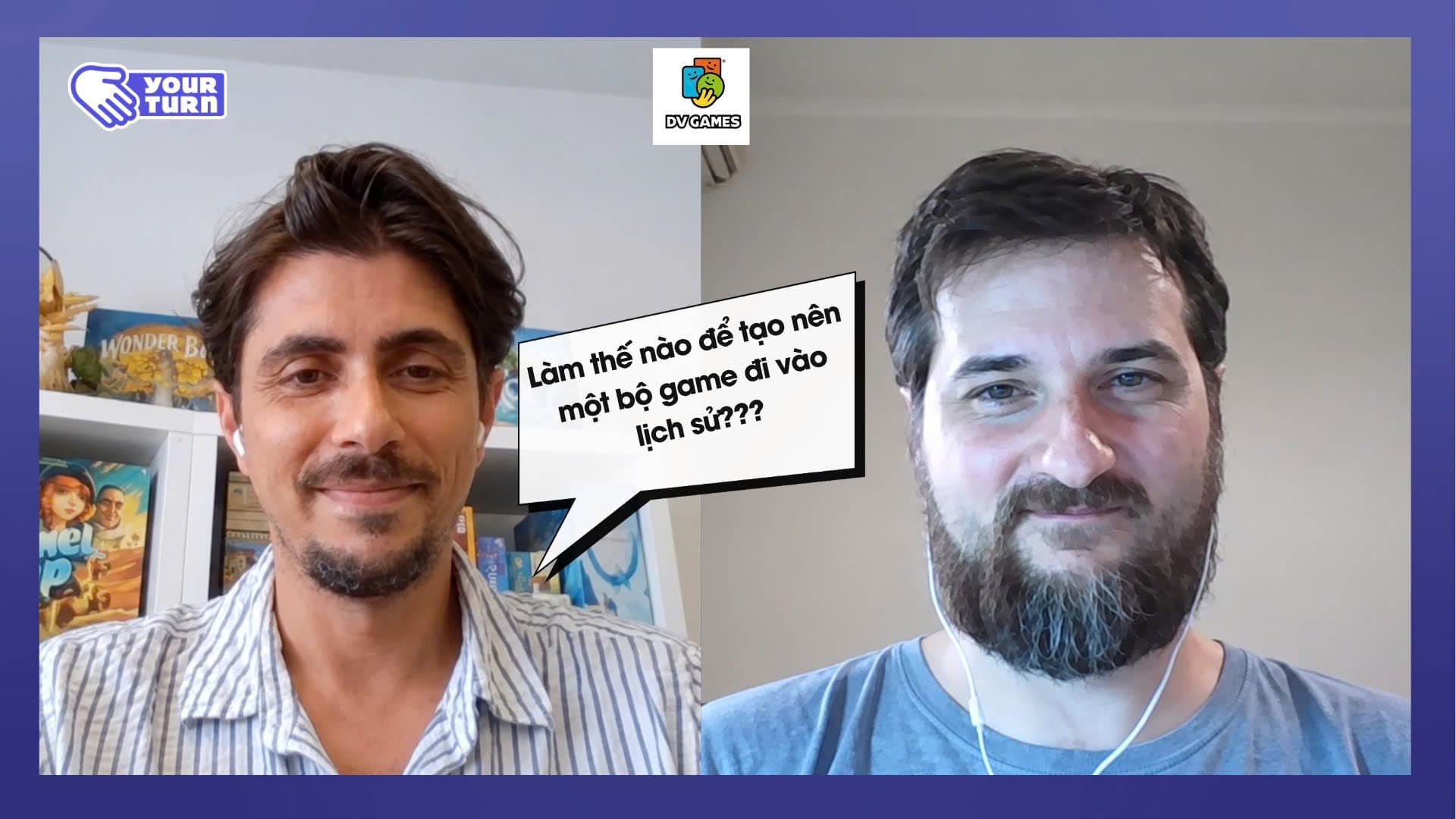
Scott Brady, designer of Hues and Cues and boop. Andrea Besana, international sales specialist at DV Games Gavan Brown, creative director at Roxley Games, publisher of Brass: Birmingham, who joined in the second half Over nearly three hours, moderated by Claire Ton, head of the Road to Essen organising committee, the conversation kept coming back to one idea: a good game is only half the work. The other half is understanding who it is for, and showing them clearly why they should play it.
Hues and Cues began as a personal challenge. Scott Brady came from the printing industry and had spent years working with colour. He noticed that no game really explored it. "I had never seen a game that had really dove into the nuances of color theory… I told my daughters, 'Dad's gonna work on this and try to make something himself.'" — Scott Brady Before he showed the game at a convention, Scott tested it with friends and asked for honest reactions. Encouragement from people in the industry convinced him the design had real potential, and that is when larger publishers started to pay attention. He also shared the playtest moment that changed Hues and Cues, and how he kept the game accessible while developing its follow-up, Hints and Tints. With boop., he talked about how a small two-player game reached far beyond hobby gamers. The practical advice on playtesting was simple: watch players' faces and attention, not only what they say. And before proposing a fix, ask playtesters where they felt frustrated.
Andrea Besana brings games from DV Games to markets around the world. Asked what tells her a game will sell, her answer was immediate: "What I'm looking into a game that tells me this will sell for sure is accessibility… the market is looking for party games that can bring four, five, six people to the table." — Andrea Besana Timing matters as much as design. Hues and Cues arrived just as people started gathering again after lockdowns, and social media helped it spread. A great game released at the wrong moment can struggle; the same game at the right moment can take off. Andrea also talked about what makes a game travel across markets: localisation, regional differences in what art people respond to, and making sure price, theme and target player all point in the same direction. She was frank about the numbers too: publishers see many submissions, and only a few become published games.
Gavan Brown joined in the second half and brought the publisher's view. He talked about remastering Brass: Lancashire, the game that became the foundation for Brass: Birmingham: improving it while protecting the core that its fans valued. He also took on a question that comes up often in competitions: can a sport become a good tabletop game? And he made a point every designer should hear. A rough playtest can hide a game's potential. One bad session does not mean the idea is bad; it may mean the game is not yet in front of the right players, or not yet shown in the right way. The panel then looked at how sales and production shape development, from component costs to retail price, and closed on current trends: two-player games, solo modes, legacy and collectible games.
Scott and Andrea agreed on the relationship that decides whether a game reaches shelves. "As designers, we are somewhat disconnected from the market… it's up to the publisher to see something special or not." — Scott Brady That is why the pitch matters as much as the game. A publisher who cannot see what is special in the first minute may never open the rulebook. Four takeaways for Road to Essen designers Design from what you know deeply. Scott's years with colour became Hues and Cues. Your own culture and experience are an advantage, not a limitation. Make it easy to sit down and play. Accessibility was the first thing a sales specialist looks for. Read playtests carefully. Watch faces, ask where players felt frustrated, and don't judge an idea by one rough session. Know who your game is for, and say it clearly. Price, theme and target player should tell one story, and your pitch should tell it in seconds.
The full recording is on the Board Game VN YouTube channel: https://youtu.be/9WRubgtktxw?si=Am6p1aMXdZlSmWnW
One of Vietnam's bestselling party game Bunny 100 (Thỏ Tỉnh Táo in Vietnamese) will be published in Italy, Spain and France by DV Games, the Italian publisher behind Bang!
Read story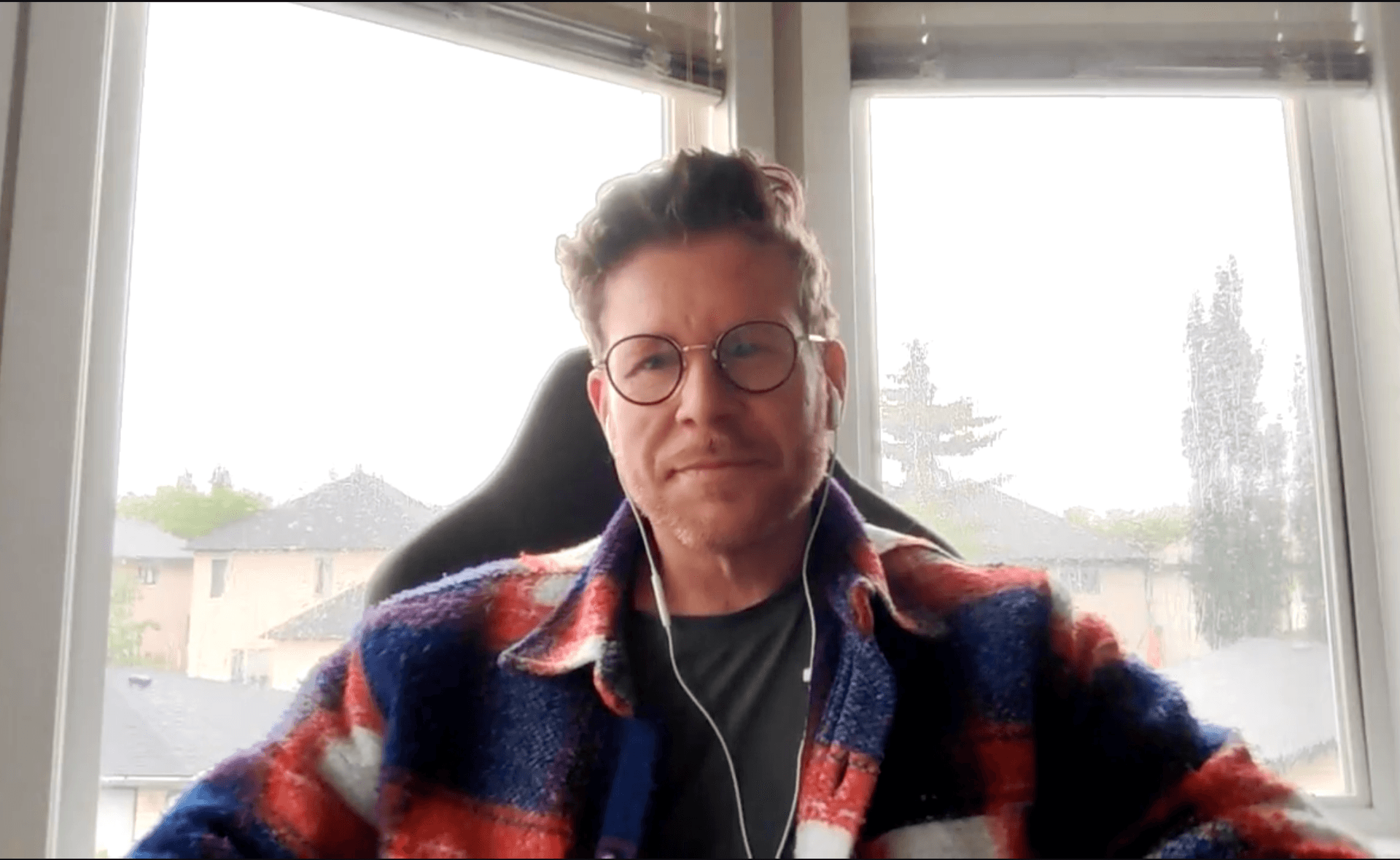
The CEO of Roxley Games - Gavan Brown talks to Everjoy Global CEO Ionah Nguyen about persuading Martin Wallace to hand over Brass, why he refuses to make an expansion for the world's #1 game, and the lesson he learned from a game he destroyed.
Read story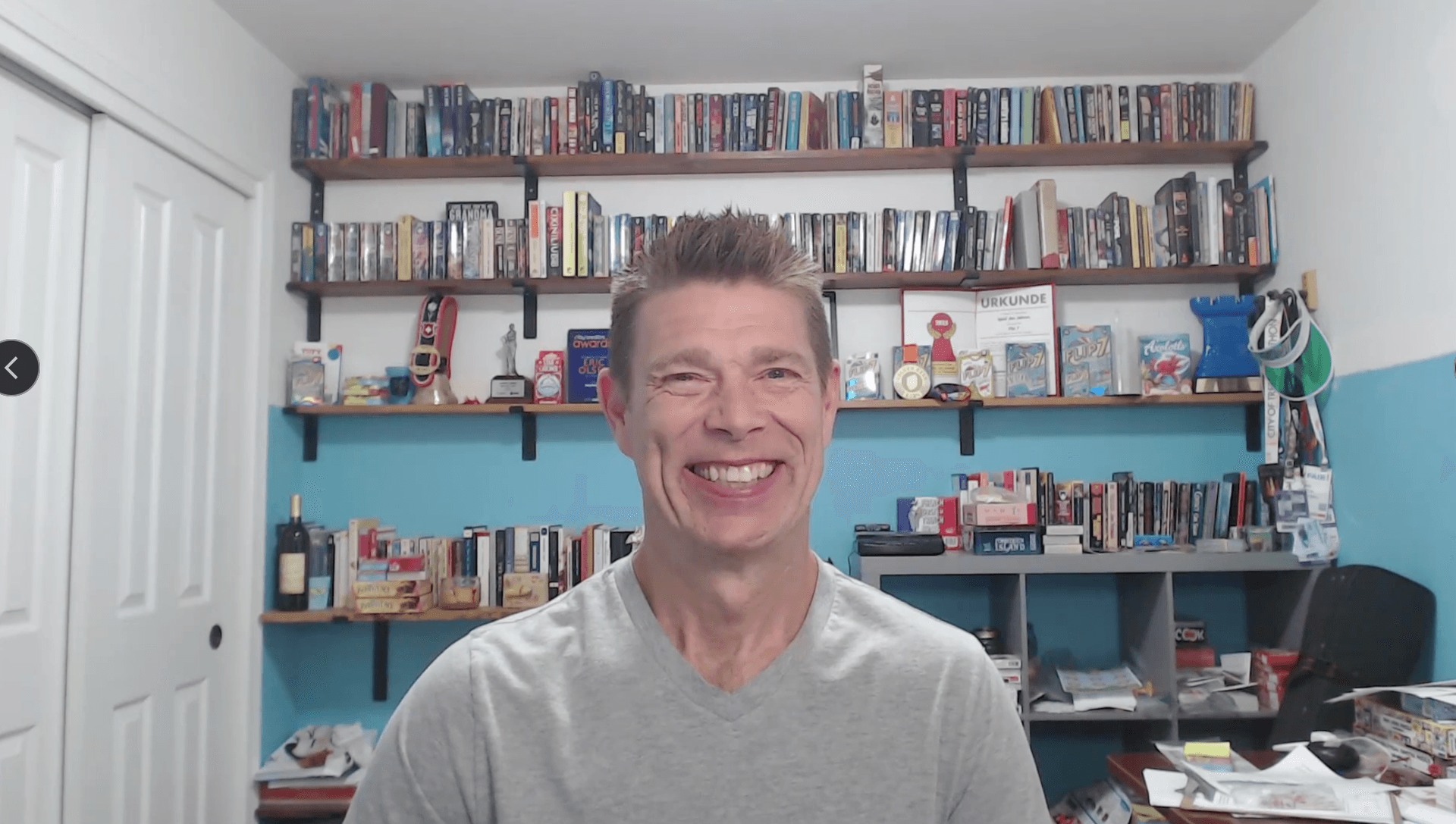
The designer of Flip 7 talks to Everjoy Global CEO Ionah Nguyen about the high school card game that inspired a global hit, why he chose to license instead of self-publish, and why "mass market" shouldn't be a dirty word.
Read story